

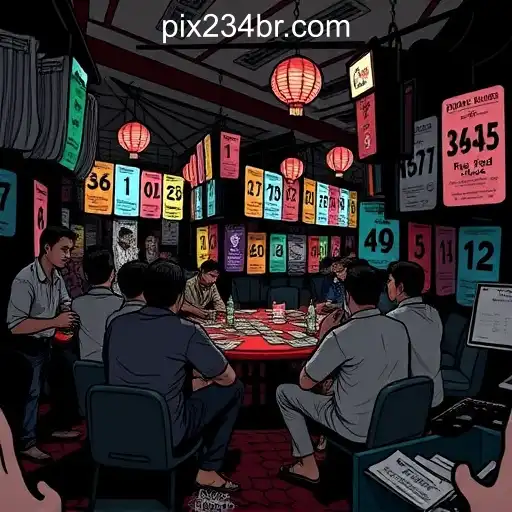
Understanding the Complex World of Jueteng: A Deep Dive
Jueteng is an illegal numbers game that has been deeply ingrained in the culture of certain regions in the Philippines. Despite ongoing crackdowns, it continues to thrive, largely driven by socio-economic factors and a complex network of participants ranging from ordinary citizens to powerful political figures.
The Mechanics of Jueteng
At its core, Jueteng is a simple lottery game. Participants choose numbers, usually between one and thirty-seven, and if their numbers are drawn, they win a cash prize. The game is mostly played in urban and rural areas, where legitimate gambling options are scarce.
What sets Jueteng apart from legalized lottery formats is its structure. It thrives on a network of bookies, collectors, coordinators, and financiers who ensure the seamless collection of bets and distribution of winnings. This network is complicated further by corruption in some local government units, enabling Jueteng to continue under the radar of law enforcement.
The Socio-Economic Impact of Jueteng
The reasons Jueteng is popular are deeply intertwined with socio-economic issues. For many, it represents a glimmer of hope to break free from poverty. The allure of winning an amount that could significantly change one’s livelihood is hard to resist, making it an attractive option for many low-income individuals.
While the economic benefits are mostly in the form of short-term monetary gains, the social implications are vast. Jueteng has been linked to fostering a culture of dependency, where individuals consistently rely on luck rather than seeking stable employment.
Political Dynamics and Jueteng
Politics plays a critical role in the perpetuation of Jueteng. Reports suggest that local officials may be involved in these operations, either through direct participation or by turning a blind eye to them for financial gains or votes during elections. Jueteng also acts as a political tool; the promise of overlooking Jueteng activities can secure political loyalty among constituents who are involved in or benefit from the operations.
The intricacies of this gambling game go beyond simple corruption, involving layers of socio-political dynamics that make it a tough nut to crack for law enforcement and reform advocates.
Attempts to Legalize or Suppress Jueteng
Given its prevalence, discussions around the legalization of Jueteng arise frequently. Advocates believe that legalizing the game could transform it into a source of government revenue while stripping away its criminal elements. However, detractors argue that doing so would further entrench gambling habits among populace susceptible to exploitation.
Current attempts to suppress Jueteng involve periodic raids and arrests, although these prove mostly ineffective in the long term. In regions where Jueteng is deeply rooted, law enforcement faces difficulties not only because of limited resources but also due to collusion between operators and public officials.
The Role of Technology
As with many traditional practices, technology is beginning to play a role in Jueteng operations. Online platforms and social media now facilitate easier and more covert placing of bets, complicating efforts to monitor and control this illegal activity. This digital shift poses challenges and also opens avenues for more modernized methods of regulation, should the political will to legalize or reform the current system develop.
Conclusion: The Path Ahead
Jueteng remains a contentious issue in the Philippines, reflecting broader problems of poverty, governance, and the ethical complexities of gambling. While the challenge of addressing Jueteng is immense, any long-term resolution will likely require a multi-faceted approach involving economic reforms, community engagement, and policy changes at both the local and national levels.
Understanding the embedded nature of Jueteng within affected communities is critical for creating effective interventions. Only through committed efforts addressing the root causes of its persistence can sustainable solutions be realized.